
 (573) 754-2482
  Open 7am–6pm Mon–Fri, 7am–3pm Sat
Culvert installation that gets water under your driveway instead of over it
If the ditch backs up and runs across your driveway every time it rains, or a new drive needs a proper crossing over the ditch line, you need a culvert sized and set right. I dig the ditch to grade, set the pipe at the correct fall so water actually moves through it, backfill and compact it so the drive doesn't sink, and armor the ends so they don't wash out. Done right, the water goes under and keeps moving — and your access stays open in a downpour.
Brandon Bange, owner. I bid every culvert job myself.
A bad culvert is worse than no culvert
An undersized pipe, one set too high, or one that's silted shut backs water up, floods the ditch, and sends it over the driveway — or washes the whole crossing out. A driveway you can't use when it rains isn't access, and a culvert that fails takes the road bed with it. The pipe has to be the right size for the water it carries, set at the right fall, and protected at the ends. Get those three right and you forget it's there. Get them wrong and you fight it every storm.
How I install a culvert
- Size it for the water. I look at how much water the ditch line actually carries and pick a pipe that can move it in a hard rain — undersizing the pipe is the number-one reason culverts overtop.
- Dig the ditch to grade and set the fall. The pipe has to fall consistently from inlet to outlet so water keeps moving through instead of sitting and silting up. I cut the ditch clean and set the pipe on grade.
- Backfill and compact over the pipe. I pack the fill in lifts and compact it so the driveway crossing carries the weight and doesn't settle into a dip over the pipe.
- Armor the inlet and outlet. Rock and proper end treatment so the water entering and leaving the pipe doesn't scour and undercut the ends — that's what keeps the whole crossing from washing out.
A culvert is part of a property's whole water picture. If the ditch backs up because of erosion or grading upstream, I'll tell you — fixing the pipe alone won't help if the real problem is somewhere else on the line.
Real work and reviews
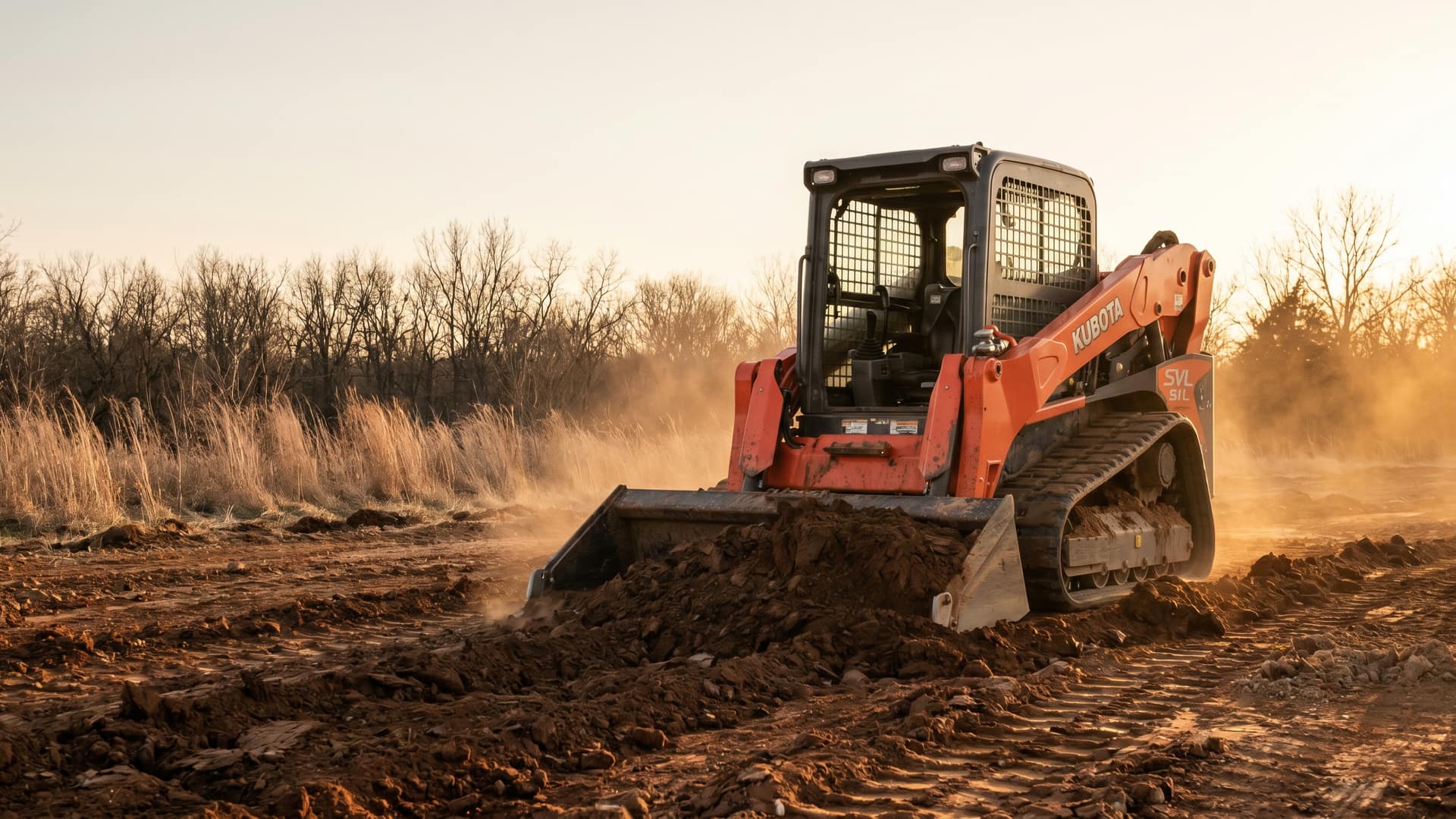
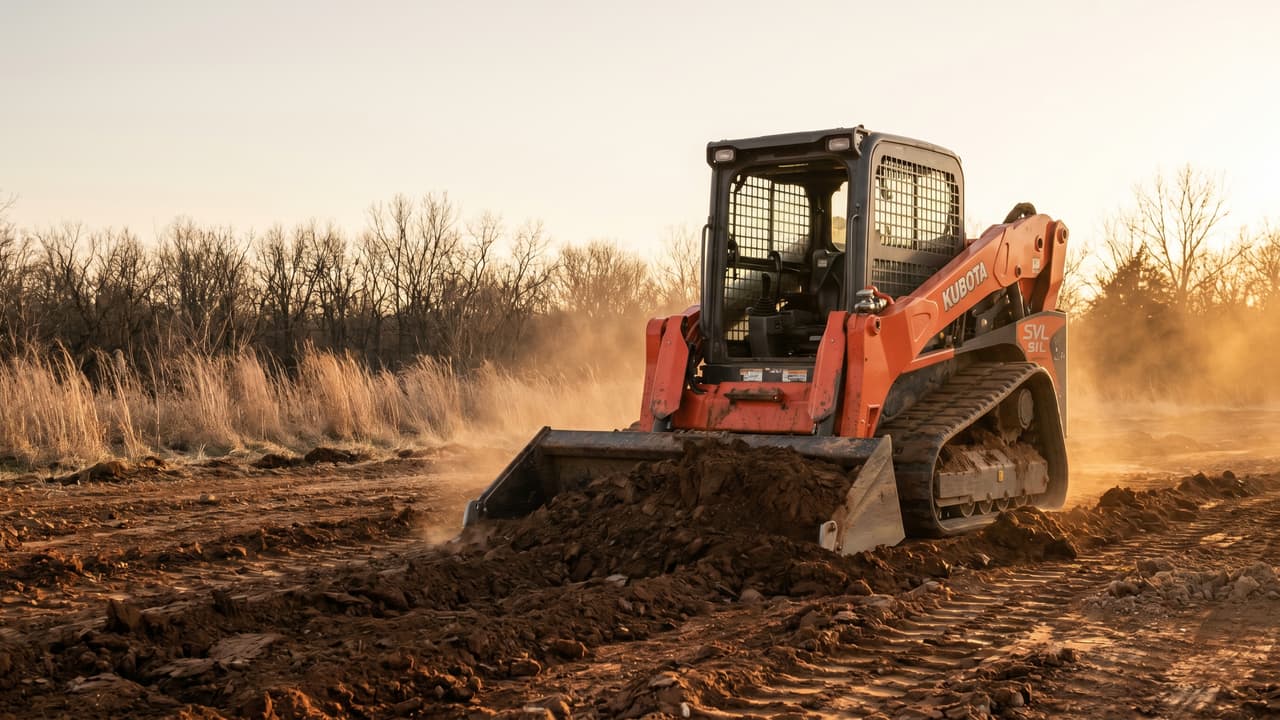

Real reviews from real neighbors are on the way.
I post them with a first name and a town as folks send them in — I don't run made-up quotes. Want to be the first? Book a bid and I'll earn it.
Water running over your driveway?
Show me the ditch and the crossing. I'll size the pipe right, set it to grade, and give you a real number on a culvert that quits flooding your access.
Frequently asked questions
Culvert Installation questions I hear
What size culvert pipe do I need?

It depends on how much water the ditch line carries in a hard rain, the slope, and how wide the crossing is. Too small and it overtops and floods your drive; oversized just costs more than it needs to. I read the ditch and the drainage feeding it and size the pipe to what that spot actually handles — that sizing call is most of the job done right.
Why does my existing culvert keep flooding or washing out?
Usually one of three things: the pipe's too small for the water, it was set too high or with no fall so it silts up and backs up, or the ends were never armored so they scoured out and undercut. I check all three. Sometimes the real culprit is erosion or grading upstream pushing more water than the pipe was ever meant to carry.
Do I need a permit to put in a culvert?
Sometimes — it depends on your town or county and whether the crossing ties into a public road or right-of-way. I'll tell you if your job needs a permit before we dig, so you're not crossways with the road department.
How much does culvert installation cost?
It comes down to the pipe size and length, how deep the ditch is, and how much rock the end armoring takes. A short residential driveway crossing is a different number than a long, deep one carrying a lot of water. I'll measure it and give you a straight figure.
How fast can you get out?
I bid the week you call and work's usually two-to-three weeks out, weather depending. Want a quick read? Call (573) 754-2482 or text me a photo of the ditch and driveway.
Want a ballpark fast? Text us a photo of the problem to (573) 754-2482.
Towns I do culvert installation in
This is some of my most-asked-for work across Lincoln County and the St. Charles County line. Here's where I do the most of it — tap your town for the local details.
Book a bid
Book a bid for your culvert installation
Four fields. Under a minute. No sales runaround.
Name, phone, your town, and a sentence (or a photo) of the ditch and driveway crossing. Email's optional. I come out and look at every job myself — across Lincoln, Pike, Warren, and the surrounding counties. Bid this week, work usually in the next two-to-three.